Pixels de rastreamento em e-mails: o que muda com a regra da CNIL em 14 de julho de 2026
A autoridade de proteção de dados da França, a CNIL, reclassificou o modesto pixel de rastreamento de e-mails. Sob uma recomendação publicada em 14 de abril de 2026, o pixel de rastreamento de aberturas deixou de ser tratado como um subproduto inofensivo do envio de e-mails. Ele é tratado como um cookie. Isso o coloca sob o regime de consentimento da ePrivacy e dá aos remetentes um prazo inflexível: 14 de julho de 2026.
Se você envia e-mails para destinatários na França e depende de taxas de abertura, rastreamento de tempo de leitura ou dados de engajamento baseados em pixel, isso muda a sua operação. Este artigo explica o que a CNIL realmente disse, o que agora exige consentimento, quais são as exceções restritas e quais passos práticos tomar antes do prazo.
O que a CNIL realmente disse
Em 14 de abril de 2026, a CNIL publicou a versão final da sua recomendação sobre pixels de rastreamento em e-mails, após uma consulta pública. A recomendação havia sido adotada em 12 de março de 2026.
O raciocínio central é curto e vale a pena entender, porque ele determina todo o resto:
- Um pixel de rastreamento é uma pequena imagem incorporada a um e-mail que faz o dispositivo do destinatário fazer uma solicitação de volta a um servidor quando a mensagem é aberta.
- Essa solicitação lê informações do terminal do destinatário: dispositivo, horários, às vezes localização ou detalhes do cliente de e-mail.
- Ler informações armazenadas em um terminal do usuário ou acessadas a partir dele sem consentimento é proibido pelo Artigo 5(3) da Diretiva ePrivacy, transposto na França como o Artigo 82 do Código de Comunicações Postais e Eletrônicas.
- Portanto, conclui a CNIL, colocar um pixel de rastreamento exige consentimento prévio, livre, específico, informado e inequívoco, o mesmo padrão que se aplica a cookies não essenciais em um site.
Essa não é uma clarificação marginal. A CNIL rejeita explicitamente o interesse legítimo como base legal para o rastreamento por pixel e aplica a regra ao próprio pixel, e não ao tipo de e-mail. Uma newsletter de marketing e um recibo transacional são tratados da mesma forma quando há um pixel de rastreamento envolvido.
O que agora exige consentimento
A regra cobre qualquer pixel cuja finalidade vá além do que é estritamente necessário para entregar um serviço solicitado. Na prática, isso significa que o consentimento é exigido para:
- Rastreamento de aberturas: o clássico pixel invisível que registra se uma mensagem foi aberta e quando.
- Rastreamento de engajamento e tempo de leitura: pixels e técnicas que medem por quanto tempo o destinatário leu ou se ele rolou a mensagem.
- Rastreamento de cliques para análise ou perfilagem: links de redirecionamento que registram cliques para pontuar engajamento, construir perfis de interesse ou segmentar audiências.
- Compartilhamento de dados com terceiros: qualquer pixel ou link que encaminhe dados de engajamento a uma plataforma de publicidade, a uma CDP ou a outro serviço externo para uso em contextos cruzados.
O fio condutor é medição e perfilagem. Se os dados alimentam um painel que mostra o desempenho de uma campanha ou constroem um perfil dos interesses de um destinatário, eles exigem consentimento.
As duas exceções
Nem todo pixel exige consentimento. A CNIL reconhece um conjunto restrito de exceções, e vale lê-las com atenção porque é nessa fronteira que acontecem a maioria dos erros de conformidade.
Finalidades técnicas estritamente necessárias. Pixels usados para manter a entregabilidade ou gerenciar uma base (por exemplo, identificar assinantes inativos para removê-los, ou ajustar a frequência de envio para proteger a reputação do remetente) podem ser usados sem consentimento. O ponto crucial: essa exceção vale apenas para e-mails solicitados pela própria pessoa: uma redefinição de senha, uma verificação de conta, uma confirmação acionada pelo destinatário. E-mails de marketing não se qualificam, por mais “focado em entregabilidade” que o pixel seja.
Segurança e autenticação. Um pixel usado para verificar que um e-mail de login ou de verificação de conta foi aberto pelo destinatário pretendido (por exemplo, para detectar uma conta sequestrada ou uma troca de senha não autorizada) se enquadra na exceção.
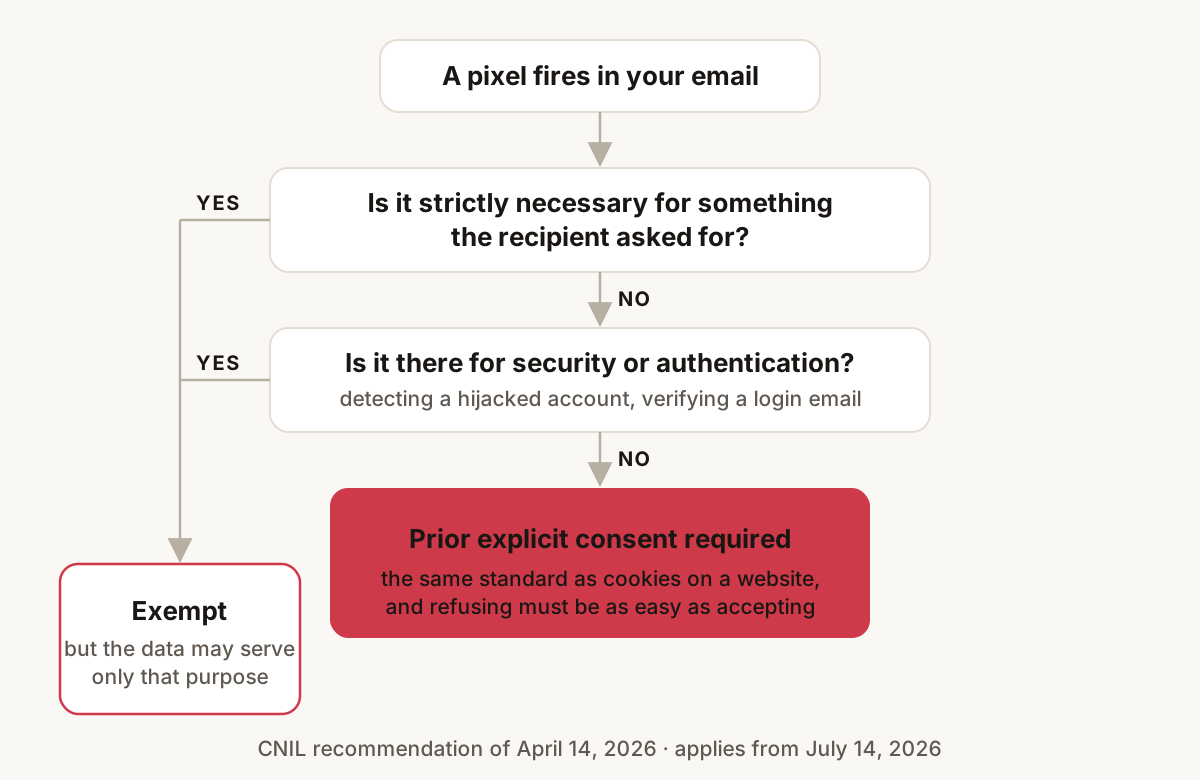
O detalhe está na palavra apenas. Os dados coletados sob uma exceção devem ser usados exclusivamente para aquela finalidade isenta. Se você coleta dados de abertura em um e-mail transacional “por entregabilidade” e depois os incorpora a um relatório de engajamento de campanha ou os compartilha com uma plataforma de marketing, você saiu da exceção e entrou em território que exige consentimento. A CNIL é explícita: reaproveitar dados isentos para análise ou perfilagem quebra a exceção.
O prazo de 14 de julho de 2026
A recomendação inclui um período de transição de 90 dias contado a partir da data de publicação, 14 de abril de 2026. Esse período termina em 14 de julho de 2026 e define como você trata os assinantes existentes: as pessoas que já estavam na sua lista antes de a regra entrar em vigor.
Durante a janela de transição, os remetentes podem continuar usando pixels em contatos existentes, desde que:
- Notificar esses assinantes sobre o uso de pixels de rastreamento, de forma clara e acessível.
- Dar a eles uma oportunidade real de se opor: não um link escondido, não uma caixa pré-marcada, mas uma escolha tão fácil de exercer quanto aceitar.
Se você perder o prazo, perde o regime de transição por completo. O único caminho de volta para rastrear esses contatos é recolher de novo o consentimento prévio e explícito de cada um, o mesmo padrão de um cadastro novo. Para uma lista grande, isso é doloroso do ponto de vista operacional e provavelmente significa perder a parte mensurável dessa audiência.
Assinantes adquiridos após 14 de abril de 2026 não são cobertos pelo regime de transição. Para eles, a exigência de consentimento vale desde o início.
Passos práticos de conformidade
Os passos abaixo são para onde apontam a regra e as orientações ao redor dela. Trate-os como um checklist para o trabalho entre agora e 14 de julho.
- Audite onde os pixels disparam. Mapeie cada e-mail que a sua plataforma envia (marketing, automações, transacionais) e confirme quais carregam pixels e o que os dados de cada pixel alimentam. Você não pode estar em conformidade com o que nunca inventariou.
- Separe o consentimento de rastreamento do consentimento de marketing. Consentimento para receber e-mail de marketing e consentimento para ser rastreado são duas coisas diferentes. Apresente as duas como escolhas separadas no cadastro. Você pode agrupar as escolhas de consentimento de marketing, mas o consentimento de rastreamento precisa se sustentar sozinho.
- Torne a recusa tão fácil quanto a aceitação. A CNIL é explícita: opor-se ao rastreamento não pode ser mais difícil do que concordar. Adicione um link claro e sempre disponível de “revogar consentimento de rastreamento” (normalmente no rodapé do e-mail) e faça com que ele funcione para o endereço de e-mail específico, e não apenas para uma página genérica de preferências.
- Notifique a sua base atual antes de 14 de julho. Envie uma notificação clara e independente aos contatos adquiridos antes de 14 de abril, explicando que você usa pixels de rastreamento, o que eles coletam e como se opor. Uma única mensagem honesta antes do prazo preserva o regime de transição.
- Restrinja os pixels em e-mails transacionais. Se você coloca pixels em mensagens transacionais, limite-os a finalidades técnicas ou de segurança estritamente necessárias e não encaminhe esses dados para análises de marketing. Se quiser os dados para análise, peça consentimento ou remova o pixel.
- Desligue o compartilhamento de dados com terceiros. Pare de alimentar redes de publicidade, CDPs e outras plataformas externas com dados de engajamento, a menos que o destinatário tenha consentido com esse compartilhamento específico. Essa é a área em que a CNIL é menos tolerante.
- Documente os registros de consentimento. Para cada endereço de e-mail que você rastreia, registre o que foi consentido, quando e como. Se a CNIL perguntar, o ônus de demonstrar que existe consentimento válido é seu.
E o rastreamento de cliques?
O rastreamento de cliques fica em uma zona mais cinzenta do que os pixels de abertura, mas a lógica da CNIL leva ao mesmo destino. Um link de redirecionamento rastreado lê informações do terminal no momento do clique, então se enquadra na mesma moldura da ePrivacy.
A pergunta decisiva é a finalidade. Cliques estritamente necessários para entregar um serviço que o destinatário solicitou (um link de confirmação que conclui um cadastro, um link de “baixar a sua fatura”) podem se qualificar para a exceção. Cliques medidos para avaliar o desempenho de campanhas, construir um perfil de interesses ou alimentar uma plataforma de terceiros exigem consentimento.
Um número crescente de ferramentas implementa o padrão de consentimento interceptado: quando o destinatário clica em um link, um interstitial curto pergunta se ele aceita o rastreamento antes de encaminhá-lo ao destino. É um meio-termo viável para remetentes que querem preservar as análises de cliques sem rastreamento generalizado, embora adicione atrito ao próprio clique.
Se você envia para além das fronteiras, saiba que o Garante, da Itália, emitiu uma orientação paralela com conclusões amplamente semelhantes, mas exceções um pouco mais amplas: ele tolera estatísticas agregadas anonimizadas usando um pixel não individualizado. Para quem opera em toda a UE, a abordagem segura é adotar o padrão mais estrito da CNIL em todas as operações, em vez de manter duas configurações de rastreamento.
O que muda para as métricas de entregabilidade
Existe uma realidade honesta por baixo de tudo isso: as taxas de abertura já estavam quebradas. A Mail Privacy Protection da Apple carrega pixels por padrão para usuários do Apple Mail, e muitos webmails e clientes corporativos fazem proxy das imagens ou as bloqueiam. A “taxa de abertura” na maioria dos painéis é, há anos, uma aproximação ruidosa e inflada.
A regra da CNIL acelera uma mudança que já estava em curso. À medida que o consentimento se torna a porta do rastreamento por pixel, a audiência mensurável encolhe ainda mais, e as aberturas que você vê vêm de um subconjunto autoselecionado e não representativo da sua lista.
O caminho mais saudável é parar de depender da taxa de abertura como sinal principal e dar mais peso, na sua medição, a sinais que sobrevivem ao modelo de consentimento:
- Taxa de cliques em links, em que o próprio clique pode carregar a decisão de consentimento.
- Respostas e conversas, que são evidência inequívoca de engajamento.
- Reputação de domínio e de IP, monitorada por meio de dados de postmaster e de ferramentas de entregabilidade. Se quiser um ponto de partida, rode o seu domínio no teste gratuito de saúde de e-mail; ele lê os sinais que não dependem de aberturas.
- Testes de posicionamento na caixa de entrada, que mostram se as suas mensagens chegam à caixa de entrada, independentemente de alguém abri-las.
A taxa de abertura não vai a zero da noite para o dia, e ela ainda tem valor diagnóstico em casos pontuais. Mas deixou de ser uma métrica sobre a qual construir um programa de entregabilidade, e a regra da CNIL é mais um motivo para planejar a sua medição em torno da ausência dela.
Checklist rápido para 14 de julho de 2026
Os passos de conformidade acima também estão disponíveis como um checklist para imprimir, que você pode manter à mão e preencher offline. Ele aparece logo abaixo deste artigo: informe o seu e-mail e o PDF chega na sua caixa de entrada.
O essencial
A CNIL não baniu o rastreamento em e-mails. Ela o trouxe para o mesmo regime de consentimento que já rege os cookies na web e deu aos remetentes 90 dias para colocar as listas existentes em ordem. Os remetentes que saem bem dessa história são os que tratam o rastreamento como uma escolha deliberada, divulgada e revogável, e não como padrão, e os que param de fingir que a taxa de abertura algum dia contou toda a verdade.
Para o texto oficial, leia diretamente a recomendação da CNIL sobre pixels de rastreamento em e-mails. Este artigo tem caráter explicativo e não constitui aconselhamento jurídico; para uma configuração de envio específica, confirme na fonte oficial e, quando os riscos justificarem, com um advogado.
Receba o checklist imprimível de conformidade com a CNIL
Quer uma cópia para guardar? Informe seu e-mail e enviaremos uma versão em PDF imprimível deste checklist para você concluir offline.